Hybrid Seeds

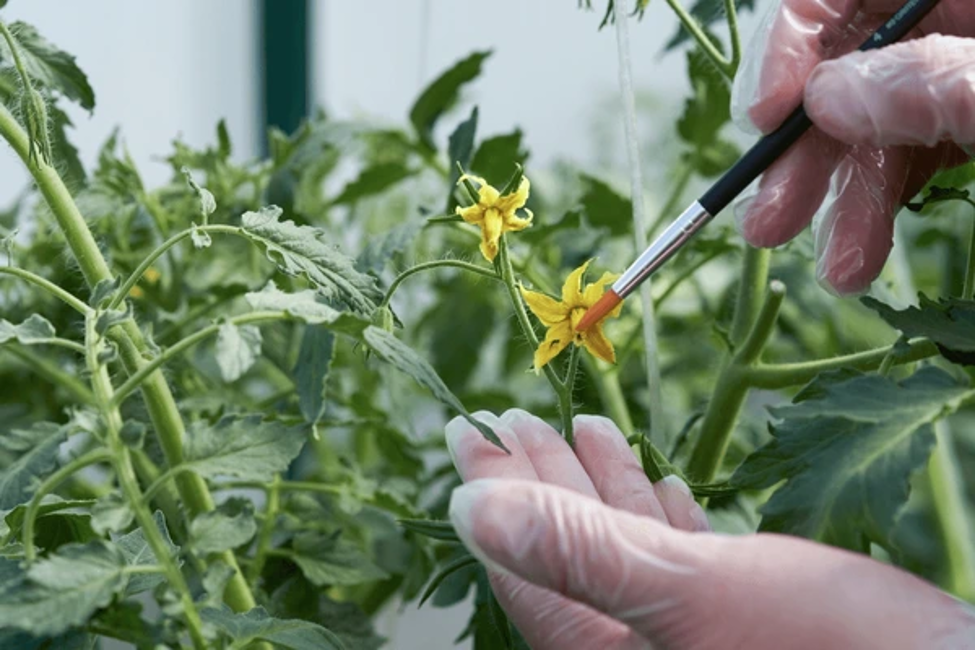
 Hybrid seeds are the result of controlled cross-pollination between two genetically distinct but related plant varieties, aimed at combining their superior traits. These seeds produce first-generation (F1) plants that exhibit uniform growth, higher yields, and enhanced resistance to pests, diseases, or environmental stresses. Hybrid seeds are widely utilized in commercial agriculture to ensure consistent crop quality and productivity. However, seeds harvested from hybrid plants generally do not retain the parent characteristics, necessitating the purchase of new seeds each season to maintain desired traits.

Open Pollinated

Open-pollinated seeds are produced through natural pollination processes, such as wind, insects, or self-pollination, without controlled crossbreeding by humans. These seeds consistently yield plants that are genetically true to the parent variety, ensuring stability of traits across successive generations. Open-pollinated varieties are highly valued in agriculture for their adaptability to local environmental conditions, contribution to genetic diversity, and suitability for seed saving. They play a critical role in sustainable farming systems, supporting long-term seed security and the preservation of traditional or heirloom crop varieties

Field Crops

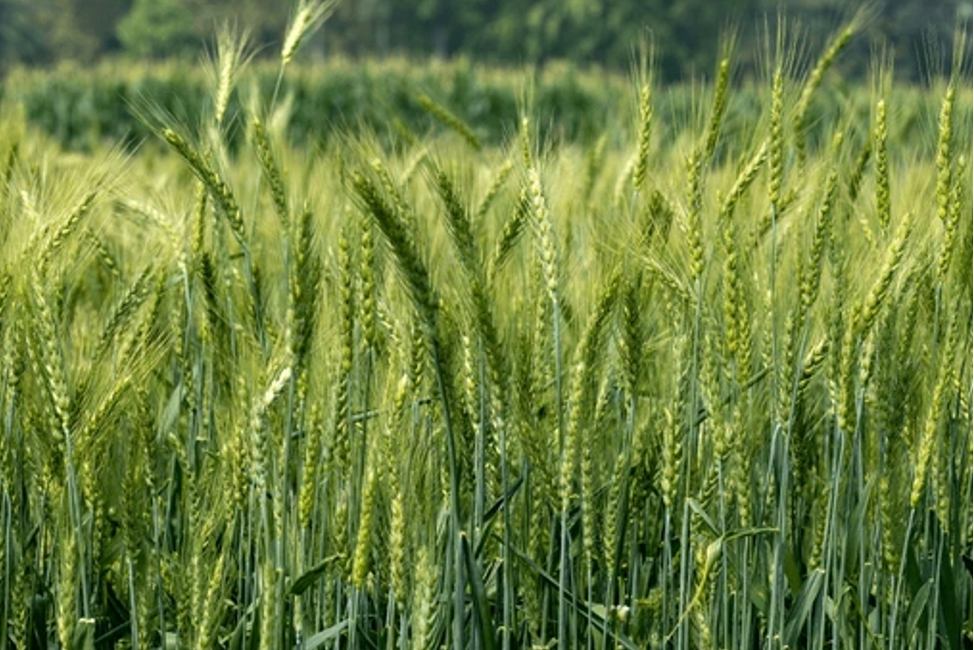
Field crops are crops cultivated on extensive tracts of land primarily for commercial production, industrial use, or subsistence, rather than for immediate personal consumption. They encompass cereals, legumes, oilseeds, fiber crops, and forage crops, and are typically grown under open-field conditions. Field crops serve as vital sources of staple foods, raw materials for industry, and livestock feed, contributing significantly to agricultural productivity and economic stability. Their successful cultivation requires systematic management of soil, water, and nutrients to ensure optimal yield, quality, and sustainability within modern farming systems.
Top